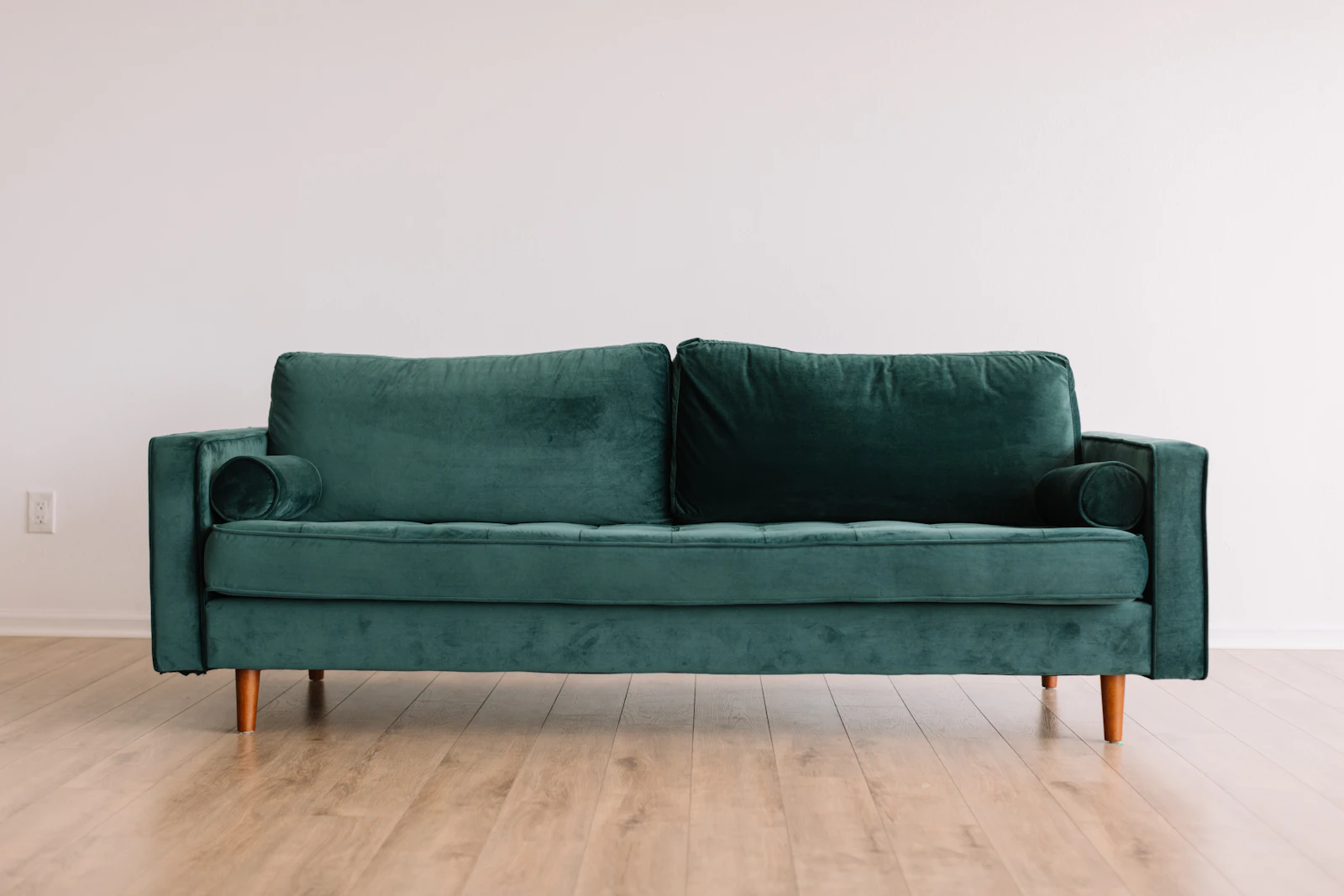
I have furnished three apartments since 2019. The apartments were in three different cities. The apartments had three different layouts and three different styles. All three were furnished almost entirely with secondhand furniture. The total cost for furnishing each apartment was between €2,500 and €4,000. The total cost for furnishing a similar setup new would have been €12,000 to €20,000.
Here is how I did it and what I learned.
Where to find good used furniture
A hierarchy based on what I have used.
1. Estate sales. The best source for high-quality used furniture. Estate sales happen when someone moves, downsizes, or has passed away. The furniture is usually owned by someone who bought well and cared for it. The prices are usually 20 to 40 percent of retail. The selection is usually the most interesting because the owner was buying for a lifetime, not a trend.
I find estate sales through:
- EstateSales.net — the main US aggregator. The site shows photos, addresses, and times. The photos are the first filter.
- Local Facebook groups — search for "[city] estate sales" or "[city] moving sales." The Facebook groups are local and active.
- Driving around wealthy neighborhoods on weekends — the signs on lawns are the best leads. The wealthy neighborhoods have the best furniture. The signs are how you find sales not yet online.
2. Charity shops in wealthy areas. The British charity shop model (Oxfam, British Heart Foundation, Sue Ryder) is the best. The shops in wealthy areas receive donations of high-quality furniture. The donations are priced at a fraction of retail. The prices are negotiable.
In the UK: Oxfam, British Heart Foundation, Sue Ryder, Barnardo’s. In the US: Housing Works, Goodwill Bins (the by-the-pound outlets), Habitat for Humanity ReStores.
3. Facebook Marketplace and OfferUp. The local resale platforms. The platforms have the most local inventory. The platforms are where regular people sell what they no longer need. The selection is wide. The quality varies. The platform is the right place to find specific pieces.
4. Craigslist. Still the best for very large items (sofas, dining tables) that are hard to ship. The platform requires more caution. The platform requires seeing items in person. The platform rewards persistence.
5. Sidewalk finds. In college towns and gentrifying neighborhoods, furniture appears on sidewalks regularly. The furniture is usually free. The furniture is sometimes excellent. The pickup requires a truck or a friend with a truck. The free furniture is the cheapest furniture.
6. Auction houses. The best source for very specific pieces (mid-century modern, antique, designer). The auctions require research and patience. The auctions are where the most interesting pieces appear. The auctions are not for impulse buyers.
What to look for
A checklist for evaluating used furniture.
Frame construction. For upholstered furniture (sofas, chairs), the frame is the most important quality indicator. Solid hardwood frames (oak, maple, beech) are best. Plywood frames are acceptable. Particle board frames should be avoided. The frame is what determines how long the piece will last.
Joinery. Look at how the pieces are joined. Mortise and tenon, dovetail, and dowel joints are signs of quality. Staples, glue, and nails are signs of cheap construction. The joints are most visible on drawer corners and chair legs.
Fabric condition. Upholstered pieces can be reupholstered. The fabric condition is not the main concern for structural pieces. The main concern is the frame. The fabric can be changed. The frame cannot be changed.
Wood condition. For wooden furniture, look for solid wood (not veneer). Look at the joints. Look for water damage or warping. The damage can sometimes be repaired. The repair is cheaper than replacement.
Mechanism function. For pieces with moving parts (drawers, recliners, sofa beds), test the mechanism. The mechanism should work smoothly. The mechanism should feel solid. The mechanism failure is the most common issue with used furniture.
Odor. Used furniture sometimes smells of smoke, pets, or mildew. The smell is hard to remove. The smell is what makes a piece unusable even if the structure is good. The smell test is non-negotiable.
What to skip
Pieces I have learned to avoid.
IKEA furniture. The particle board construction does not survive being moved. The pieces look fine in the store. The pieces fall apart after one or two moves. The exception is the solid wood lines (HEMNES, NORDLI, KALLAX is okay).
Particle board anything. The material sags when it gets wet. The material does not hold screws well. The material is hard to repair. The material is what makes cheap furniture cheap.
“Antique” reproductions. Reproductions are often priced like antiques. The reproductions are not worth the price. The reproductions also have lower quality construction. The reproductions are easy to spot once you learn the difference.
Upholstered pieces with pet damage. The damage is hard to fully repair. The damage is also a sign of how the piece was used. The damage is what makes the piece less likely to last.
Anything with major structural damage. Cracked frames, broken legs, warped surfaces. The damage can sometimes be repaired. The repair is often more expensive than the piece. The repair is not worth it for most pieces.
How to transport
The logistics that determine if you can actually buy the piece.
Measure everything. The piece, the doorways, the stairway, the elevator, the truck. The measuring is what prevents buying a piece that does not fit. The measuring also reveals what disassembly is needed.
Bring a truck or van. Most pieces will not fit in a regular car. The rental trucks from Home Depot or U-Haul are €20 to €50 for a few hours. The rental is worth it for any large piece.
Bring blankets and straps. The blankets protect the piece during transport. The straps secure the piece in the truck. The protection is what prevents damage during the move.
Ask for help. Most large pieces require two people to move. The friend with a truck is the most useful friend. The friend should be paid in pizza or beer.
What I furnished with
Specific examples from my three apartments.
Apartment 1 (2019, London, £2,800 total):
- Sofa from a moving sale in Hackney, £200. Original retail £2,000.
- Dining table from a charity shop in Hampstead, £80. Original retail £800.
- Four dining chairs from Facebook Marketplace, £40 each. Original retail £200 each.
- Bed frame from a friend who was moving, free. Original retail £600.
- Bookshelves from IKEA NORDLI, new, £300.
- Everything else: lamps, rugs, decor from charity shops, total £400.
Apartment 2 (2022, Berlin, €3,200 total):
- Sofa from a vintage shop in Neukölln, €600. Original retail €2,500.
- Desk from Craigslist, €80. Original retail €400.
- Office chair from a friend, free. Original retail €800.
- Bed frame new from a local furniture maker, €800. The bed was worth buying new because I wanted a specific design.
- Wardrobe from a moving sale, €150. Original retail €1,500.
- Everything else: €1,570 including new kitchenware and small appliances.
Apartment 3 (2024, Stockholm, SEK 28,000 / ~€2,500 total):
- Sofa from Blocket (Swedish Craigslist), SEK 4,000. Original retail SEK 20,000.
- Dining table and four chairs from an estate sale, SEK 6,000 total. Original retail SEK 30,000.
- Bed frame from IKEA (HEMNES), new, SEK 2,500.
- Bookshelves (KALLAX) from IKEA, new, SEK 1,800.
- Everything else: SEK 13,700 including new kitchenware.
The total spent across three apartments: ~€8,500. The total would have been ~€45,000 for new equivalents. The savings are real. The character is better. The environmental cost is much lower.
Common mistakes I made
A few things I learned the hard way.
Not measuring the doorway. I bought a desk that did not fit through the apartment door. The desk had to be disassembled and reassembled. The disassembly took two hours. The lesson: measure the path, not just the destination.
Buying pieces I liked but did not need. The temptation to buy is strong at estate sales. The strength is what leads to clutter. The clutter is what I have learned to manage by going with a list and sticking to it.
Skipping the smell test. I bought a leather sofa that smelled of smoke. The smoke smell took three months to fade. The fading required multiple cleanings. The lesson: if it smells wrong in the store, it will smell wrong in your home.
Underestimating transport cost. I once rented a van for €80 to pick up a €40 bookshelf. The cost per item was not worth it. The lesson: only buy large pieces when the transport is free or cheap.
Forgetting about assembly. Many used pieces need to be disassembled for transport. The disassembly requires tools and time. The time is what I underestimated. The lesson: ask if the piece can be moved assembled.
The honest summary
Thrifting furniture is the most cost-effective way to furnish a home. The cost savings are 50 to 80 percent versus new. The character is better than new. The environmental cost is dramatically lower.
The downsides are real: time, transport, variability in quality. The downsides are manageable with the right approach: a list, a truck, a friend, and patience.
The shift from new to used was the best financial and lifestyle change I made for my homes. The shift took three apartments to refine. The refinement is what the routine is for. The routine is now second nature.
The recommendation: start small. The first piece should be something low-risk (a lamp, a side table, a rug). The small piece is how you learn the process. The process is what makes the larger pieces manageable.
The thrifted home is a long project. The project pays off. The payoff is the home. The home is worth it.
