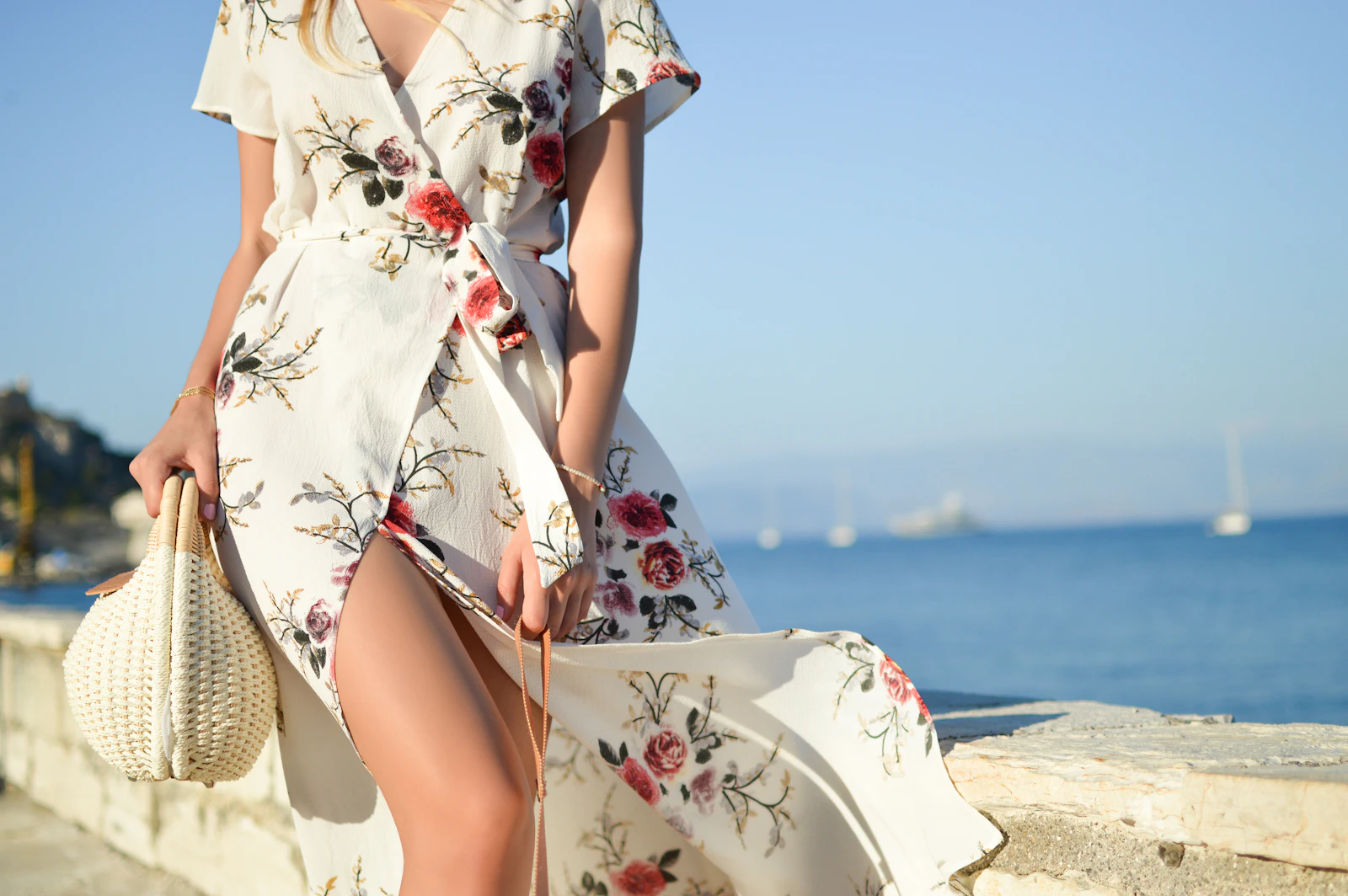
I wore black almost exclusively for fifteen years. Black was my uniform. Black was my identity. Black was the answer to every occasion I could not think of what to wear for. Then, in 2025, I decided to wear nothing black for an entire year.
The decision came from noticing that almost everyone in my professional circle wore black. The noticing made me wonder if I was choosing black or just defaulting to black. The wondering led to the experiment. The experiment changed more than my wardrobe.
The rules I set
The rules were simple. No black clothing. No black shoes. No black accessories. No black bags. The exceptions were: black in jewelry (a small silver ring with a black stone, which I decided did not count); black in technical gear (running shoes, rain jacket); black in underwear and socks (which nobody sees).
The experiment was from January 1 to December 31, 2025. I tracked everything I wore in a notebook. The notebook was a record. The notebook became the data.
What I actually wore instead
The shift was not as dramatic as I expected. The black pieces I wore most — jeans, sweaters, t-shirts, a coat — were easy to replace with non-black versions. The pieces that were hard to replace were the smaller accessories. The smaller accessories turned out to be the most important.
Denim. The black jeans I wore almost daily were replaced by dark indigo A.P.C. jeans (the same pair from my travel capsule). The dark indigo works with everything the black did. The dark indigo is also more interesting. The difference is subtle. The difference matters.
Sweaters. The black sweaters were replaced by navy, dark green, cream, and burgundy. The navy is closest to black in versatility. The dark green is the most surprising success. The cream is the hardest to keep clean. The burgundy is the most fun.
T-shirts. The black t-shirts were replaced by white, oatmeal, forest green, and one striped option. The white is the closest replacement. The oatmeal is the most versatile. The forest green is the most complimented. The striped option is the most seasonal.
Coat. The black coat was replaced by a honey trench. The trench is more versatile than the coat ever was. The trench also cost more. The cost difference is offset by the cost per wear.
Shoes. The black loafers were replaced by tan loafers. The tan loafers are less versatile than the black. The tan loafers also work with more colors than I expected. The trade-off was worth it.
Bags. The black bag was replaced by a tan leather bag. The tan bag shows wear faster than the black. The wear is the point. The bag looks better after six months than it did new.
What surprised me
A few things I did not expect.
People noticed immediately. The first week, three people commented that I was wearing color. The comments were positive. The comments made me realize how monochrome I had been. The comments also made me realize that the shift was visible.
Color is more work than black. Black hides stains, wrinkles, and color clashes. Color shows everything. The maintenance is real. The maintenance is also the point. The maintenance made me care more about what I wore.
Some colors are not for me. I tried bright orange. The orange looked terrible on me. I tried mustard yellow. The yellow looked worse. I tried coral. The coral was a disaster. The colors that worked were muted, low-saturation versions of the bright ones: rust instead of orange, ochre instead of yellow, salmon instead of coral.
I missed black less than I expected. I had assumed I would miss black. I did not. The black pieces I had been wearing were out of habit, not preference. The preference was actually for the colors I had been avoiding.
I got dressed faster. The decision fatigue was lower. The lower fatigue came from a smaller palette of options I actually liked, instead of a large palette of default options. The decision-making was simpler.
What did not work
A few things I tried and stopped.
Bright colors. The bright colors I tried did not work for me. The colors worked on other people. The colors did not work on my skin tone, my hair, or my style. The bright colors went to the donation pile in March.
Prints. I tried a few printed pieces. The prints were harder to combine than solid colors. The prints required more careful outfit planning. The prints were not worth the planning effort for everyday wear.
Pastels. I tried pastels in spring. The pastels looked childish on me. The pastels worked for other people. The pastels did not work for me. The pastels went to the donation pile in April.
Multi-color outfits. I tried combining multiple colors in one outfit. The combinations were harder than I expected. The combinations required real color theory. The combinations did not look intentional without the theory.
What I learned about color
The lessons are about color theory I had not understood.
Saturation matters more than hue. The hue is the color family (red, blue, green). The saturation is how pure the color is. The saturation is what makes a color work or not. Highly saturated colors look costume-y. Low-saturation colors look sophisticated. The lesson was that almost any hue works in low saturation.
Skin tone constrains the palette. Warm skin tones look better in warm colors (rust, ochre, olive). Cool skin tones look better in cool colors (navy, plum, forest green). Neutral skin tones can wear more. The skin tone test is to hold a color near your face in good light and see if your face looks healthier or sicker. The healthier answer is the right color.
Color harmony is easier with a base. Two colors together is harder than one color with neutrals. The neutral base is what makes color combinations look intentional. The neutral base can be white, cream, gray, navy, or denim. The base is the canvas.
The eye gets trained. After three months of wearing color, my eye got better at combining colors. The combination that looked impossible in January looked obvious in October. The training was the practice. The practice was the year.
What I am wearing now
The experiment ended in December 2025. I went back to wearing some black in January 2026. The black I wear now is different from the black I wore before. The black is now an accent, not a default. The black is now a choice, not a habit.
The pieces I bought during the experiment that worked are still in my wardrobe. The pieces that did not work went to the resale market. The pieces that I sold for more than I paid were the ones I bought used. The pieces that I sold for less than I paid were the ones I bought new. The lesson is universal.
The colors I wear most now are: navy, dark green, cream, tan, dark indigo, rust, burgundy, white. The palette is eight colors. The palette is broader than my pre-experiment palette of three (black, white, gray). The palette still feels coherent. The palette feels more like me.
The honest summary
The year-long color experiment was one of the more interesting things I have done with my wardrobe. The experiment revealed how much of my style was habit versus preference. The experiment taught me what colors actually work on me. The experiment made me care more about what I wear.
The shift back to some black in 2026 was not a failure. The shift was a synthesis. The synthesis is the right palette for me. The right palette is broader than the old one. The right palette is more intentional than the old one.
The recommendation, if you want to try this: do it for a season first. Three months is enough to see most of the lessons. The full year is more thorough. The full year is also more disruptive. The disruption is the point.
The experiment is not for everyone. The experiment works for someone who has the time and curiosity. The experiment does not work for someone who is happy with their current style. The happiness is the goal. The experiment is just one way to find more of it.
What I am wearing this month
The current state of my wardrobe, in specific pieces.
The most worn piece this month is the rust-colored merino crewneck from Alembika, bought on The RealReal for €65 (original retail €280). The piece has been worn at least 25 times in three months. The piece has held up beautifully. The piece is the example of the experiment working.
The second most worn piece is the tan trench from Totême, bought secondhand in Berlin for €180 (original retail €1,200). The trench is what I reach for every morning. The trench works with everything in the new palette.
The third most worn piece is the cream cashmere sweater from N. Peal, bought new on sale for €220. The cashmere is the most expensive new piece I bought during the experiment. The cashmere is the only new piece I bought that I would still recommend. The cashmere is the standard.
The pieces that get the most compliments are: the rust crewneck, a pair of burgundy corduroy pants from A.P.C., and a forest green linen shirt from Toast. The compliments are what confirmed that the new palette is working. The working is what I value.
